
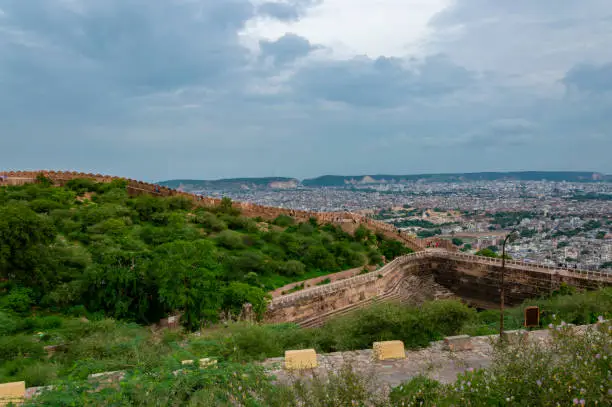
Narwar Fort – A Forgotten Hilltop Fortress in Madhya Pradesh
Perched atop a hill, dominating the landscape of the ancient town of Narwar in Madhya Pradesh, is Narwar Fort, an impressive yet not-so-famous fort that encapsulates the rich martial and architectural history of central India. From its impressive stone structures and ancient gateways to the panoramic views of the surrounding land, Narwar Fort is a true blend of history and magnificence.
While overshadowed by more renowned forts scattered across Rajasthan and Madhya Pradesh, Narwar Fort is a highly rewarding destination for travelers inclined towards uncovering India’s lesser-known historical sites. Its sprawling battlements, aging palaces, ancient temples, reservoirs, and fragmented structures whisper tales of several centuries and a succession of conquerors.
For intrepid travelers keen on history and offbeat locations, Narwar Fort stands as a gateway to a tranquil side of Madhya Pradesh.
Location of Narwar Fort
Narwar Fort is strategically located in the town of Narwar, within the Shivpuri district of Madhya Pradesh. It occupies a commanding position on an imposing hill overlooking the sprawling plains and countryside.
This choice of location was far from arbitrary; like the majority of India’s age-old hill forts, it afforded a natural advantage in terms of defense. From the lofty ramparts of the fort, the environs for miles around could be observed, allowing rulers and soldiers adequate warning of any encroaching forces.
The ascent to the fort itself is part of the experience, as visitors gradually venture away from the modernity of the town, into a realm where age-old stone edifices and rugged terrains dominate.
A Chronicle of Time: Narwar Fort’s History
Narwar bears witness to the rise and fall of various ruling powers throughout history. The region was once under the dominion of various Rajput clans, and subsequently, saw the presence of the Delhi Sultanate, the Mughal Empire, the Maratha Confederacy, and other regional powers.
Due to this varied past, its history isn’t tied to a solitary ruling dynasty or epoch; rather, its varied architecture is a testament to the changes introduced over time with each conquest.
Narwar also finds a place in old manuscripts and legendary accounts, primarily connected with the Kachwaha Rajputs, and later became the focus of larger political conflicts across central India.
The fort’s high perch meant that it wasn’t merely a royal abode but served also as a crucial center of regional power and a potent defensive stronghold.
Architectural Splendor of Narwar Fort
Narwar Fort’s most striking aspect is its formidable defensive architecture. The fort covers the entire length of the hill and is studded with sturdy stone walls, imposing gateways, vigilant bastions, serene courtyards, devout temples, grandeur of past palaces, and more.
The sheer scale of the fort’s fortifications was engineered to impede direct attacks; steep slopes of the hill itself proved an effective natural defense, complemented by its walls and watchtowers.
Despite the ravages of time, numerous ruinous structures within the fort complex still evoke glimpses of its former splendor, showcasing its grand scale and former significance.
The unique combination of sheer stone walls and the striking natural topography renders Narwar fort a captivating spectacle, particularly for photographers and history enthusiasts.
Palaces, Temples and Historic Marvels
Beyond its formidable defenses, the fort complex harbors relics of old royal dwellings and sacred sites. Although certain sections are now partially in ruins, the remaining foundations and architectural remnants offer insight into the workings of the fort as a once-thriving settlement.
Remains of ancient temples and palaces layer the fort’s narrative. These structures showcase traces of artistic embellishments, precise stonework, elegant arches, sturdy pillars, and courtyard ruins that stand scattered across the grounds.
Wandering through these historical remnants is akin to stepping through different chapters of Indian history, where each portion of the fort, from its battlements and gate passages to its more serene Royal quarters and temple environs, tells a distinct story.
The Legend of Nal and Narwar
Narwar is also inextricably linked with the enchanting story of King Nala and Damayanti, figures woven into the fabric of ancient Indian literature. According to local lore, the town of Narwar is said to have once been the dominion of King Nala.
While legends should be distinguished from fact, these tales serve an invaluable role in the town’s cultural identity, keeping its ancient literary and mythological heritage alive for generations.
For visitors, this intermingling of history, architecture, and myth lends Narwar an appeal far beyond that of a typical fortress ruin.
A Hidden Treasure for History Aficionados
In contrast to some of India’s most heavily frequented historical sites, Narwar Fort typically provides a serene, less crowded atmosphere, allowing for unhurried exploration of its ancient ruins and magnificent scenery.
This fort is an attractive destination for travelers seeking to discover less obvious historical sites, avoiding the crowds typically found at more well-known tourist attractions.
Visitors can expect to find themselves immersed in an atmosphere characterized by weathered stone walls, crumbling architecture, expansive vistas, and a tangible sense of centuries past.
Photography and Captivating Vistas
The hilltop perch of Narwar Fort offers stunning vistas of the surrounding landscapes of Madhya Pradesh. Photographers will be enthralled by the juxtaposition of the ancient ramparts against the lush, natural terrain.
The stone architecture of the fort provides numerous opportunities for architectural photography-from ancient gateways to aged walls, carved arches, intricate stairways, and crumbling structures.
Capturing the golden hues and textures of the stonework during early mornings or late afternoons often results in some of the most dramatic and poignant photographs.
Ideal Visiting Time
It is advisable to visit Narwar Fort during the cooler winter months, generally between October and March, when the weather is most pleasant for extensive exploration on foot.
While the monsoon season can lend a lush charm to the surrounding countryside, the pathways can be slippery, making exploration less comfortable, thus careful caution is recommended.
Visitors should allocate ample time for their exploration as climbing up to and navigating through the extensive hill fort demands considerable time and exertion.
Why Visit Narwar Fort?
Narwar Fort is ideal for travelers looking to engage with India’s rich but less-explored history. It offers a fascinating juxtaposition of history, architecture, legends, and natural splendor.
The fort also illustrates how geography played a significant part in the architectural planning of historical Indian military strongholds. Its elevated position, formidable fortifications, and expansive views clearly delineate why such sites were favored for defense by earlier kingdoms.
Anyone exploring Madhya Pradesh’s array of historical riches beyond its well-trodden attractions ought to make Narwar Fort a planned part of their itinerary.
Concluding Remarks
Narwar Fort stands as a poignant reminder that India’s most compelling historical narratives often lie hidden, away from the country’s renowned tourist landmarks. Its ancient fortifications, crumbling royal structures, tranquil temples, mesmerizing tales, and commanding hilltop position conspire to weave an atmosphere both historical and ethereal.
For Find Hidden India, Narwar Fort exemplifies the essence of a place worth unearthing – a lost fortress that elegantly unites history, design, lore, and scenery.