
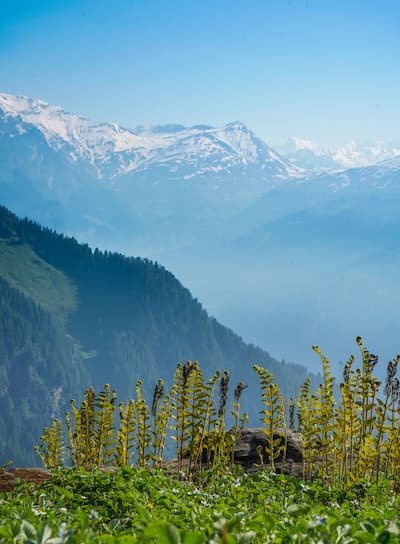
Saramati Peak, Nagaland: A Hidden Mountain of Northeast India
Hidden in the untamed lands of Nagaland-North East India’s most exotic mountain destination. At a height of 3,826 meters (12,552 ft), it’s the highest peak in Nagaland and one of the most significant of the Patkai range of mountains. This is worlds away from the typically crowdedIndian tourist hot spots, but a perfect way to get up close and personal with pristine forests, serene villages, imposing mountain backdrops, and the colorful Naga culture.
If you’re a traveler looking for undiscovered mountains in India Saramati Peak is for you. Its a remotely located peak with tough trekking so the journey is also part of the expedition.
Where Is Saramati Peak?
Nestled in Kiphire district of Nagaland, near the Indo-Burma border is the Saramati Peak. Lush with dense forests, rolling hills, rustic villages and less tourists, this area is a delight for people wanting to get away from the crowds. This peak is a part of the Patkai mountain range that covers eastern NE Indian and part of Burma. Due to its placement at the eastern end of Nagaland, this place feels considerably remote from most of the popularly known Himalayan routes.
The closest large town is Kiphire and is a key stopping off point for travelers wishing to experience the region.
Why Is Saramati Peak Special?
Its uniqueness stems from much more than just the altitude. In addition to adventure it offers you wilderness, culture & seclusion, factors which are hard to discover in more frequently trod tourist trails.
The slopes here are thickly wooded and covered with greenery, with wider and wider views of mountains and valleys in higher areas. In good visibility the view extends to the hills on the border on the Burmese side.
While other mountain destinations seem quite commercialised, Saramati has no imposing resort blocks, packed viewing points and heavy tourism amenities. This contributes greatly to making visitors feel they’re really seeing a wild and untamed side of India.
Trekking to Saramati Peak
To summit Saramati is also very much part of the adventure of it all. The trekking through wooded areas, mountainsides and desolate areas before getting to the higher slopes.
Depending on which way you travel, the weather and track conditions could be difficult. Travellers should anticipate steep climbs, fluctuating weather, muddy tracks, and minimal amenities.
As a remote area, well-planning is required. It is highly recommended to have local experienced guides, who are familiar with the routes and villages nearby. Local permission, weather as well as entry requirements, are better be obtained and checked before starting the trip.
If you’re a hardcore trekkker, it is adventurous trip at Saramati for its wilderness and remoteness.
Best Time to Visit Saramati Peak
October and April- May are the best time to trek Saramati Peak as it depends on the trekking condition and weather. But from Oct- April it’s appropriate due to favorable weather and visibility could be increased
Winters can result in freezing temperatures at high elevations, while the monsoon months will keep trails slick, muddy, and tiresome.
Local weather conditions and road conditions should be monitored and checked before travel. Road and weather conditions may be variable in such a remote mountain area.
Flora and Natural Beauty
Saramati Peak is nestled amidst the vibrant nature that Nagaland beholds. The lower slopes are dotted with rich flora, as the vegetation varies in diversity, on higher levels.
En route visitors can observe many diverse plants, birds and other wildlife pertinent to the area. The appearance of the mist in the forest and cloud draped upon the mountain sides plus a variety of changing greens gives an eye-catching quality to an interesting trip
For the nature and wildlife photographers the terrain offers great scope for obtaining some varied landscape photographs quite unlike the celebrated Himalayan destinations of India.
Naga Culture and Local Villages
Perhaps one of the more striking features of Saramati is experiencing the distinct tradition culture of eastern Nagaland.
The rural communities have a close affinity to the nature, forests, farming and the old established ways of living. An opportunity to walk through villages where people have adapted to living over years in a remote mountainous regions.
When venturing off the path and into the lives of local communities travelers need to be respectful; ask people before snapping photos, take care not to offend the natives, and remember you are guests of a way of life when visiting remote villages.
Things to Keep in Mind
It’s not the kind of place that weekend tourists frequent. Being so remote there really isn’t anything in the way of facilities or comforts to offer, so travellers have to ensure they are self-sufficient. There should be a water bottle, trekking shoes, warm clothes, rain gear and a small medicine kit along with snacks and other supplies to see them through. There may not always be reception for mobile phones either.
Litter should be avoided, and the “leave no trace” principles are being respected. Respecting forests and local communities becomes of particular concern at a level where mass tourism have not arrived.
Why Saramati Peak Belongs on Your Travel List
Saramati Peak exemplifies one those destinations where you can experience the thrills of hidden tourism in India. Here you have trekking challenges mixed with stunning mountain terrain, remote forests and Nagaland’s vibrant culture.
For travellers looking to stay away from the typical tourists’ haunts and seeking a more subdued northeast Indian experience-Saramati Peak should make it onto their checklist. It is a journey demanding more effort than to a popular hill station-and it’s precisely these little inconveniences that lend the experience character.
A hidden mountain of India for the explorers, trekkers, photographers and travelers wanting to venture beyond the well-worn trails.